
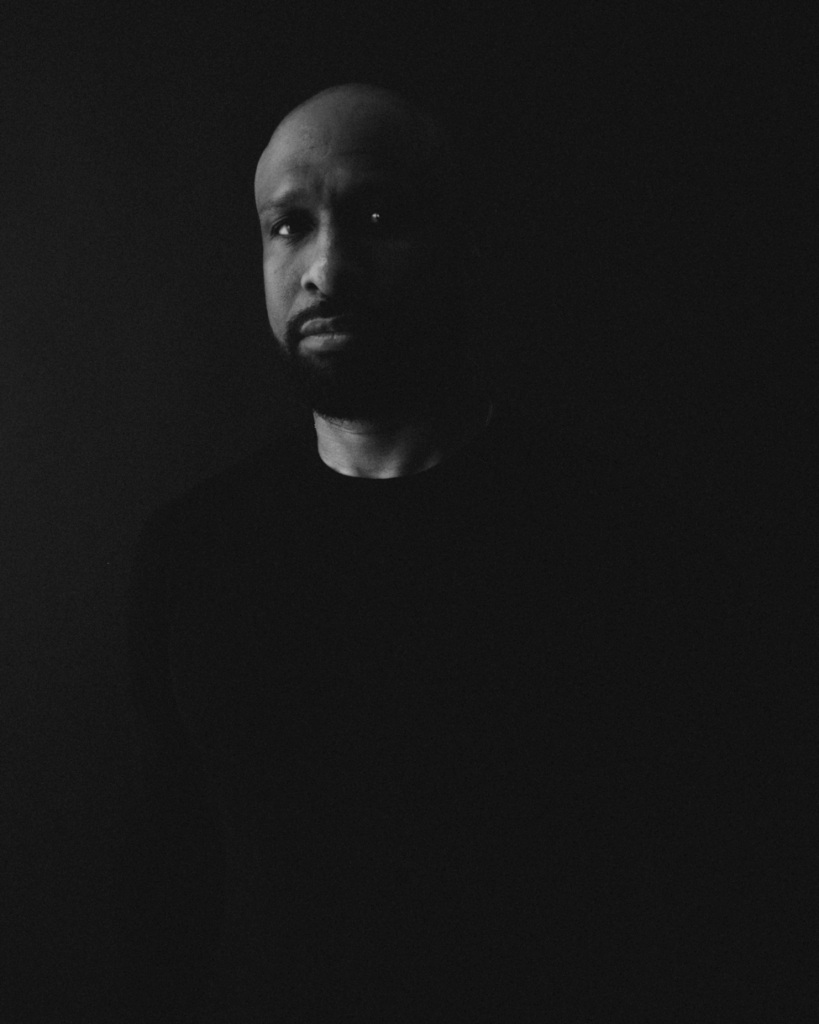
President of the management division at Awesome Productions and Management Incorporated, Jermayne Clayton, began his artist management career a decade ago. Having started over a decade ago as just wanting to help his friends, enjoying being a part of a community, and not about making money, he now works with talented, award-winning artists and multi-platinum producers, including Jordon Manswell.
As president of the Toronto-based independent music and management company, Clayton said about artist management, “Not every artist, not every person is for you, even if you will it, even if you want it.” He said sometimes the best way to know that is understanding one another as people. Clayton said, “… It’s not every person you want to be around.”
As the head of Artists and Repertoire, a division that deals with talent scouting and the creative development of artists and songwriters at Sincerely Yours, Clayton said that before an artist manager decides to work with an artist, he should spend real, quality time with the artist. “Get to know them. Get to know how they look at life, what’s their background, what’s their favorite TV show. Find out if there are reasons … beyond the business that you guys would communicate.”
After that, he said, the artist manager should have a real thought if artist management is where he sees himself in the next 10 years. “… This business is not about the short term. It’s about the long term. You don’t really … become successful immediately. You stay successful because it’s long-term.”
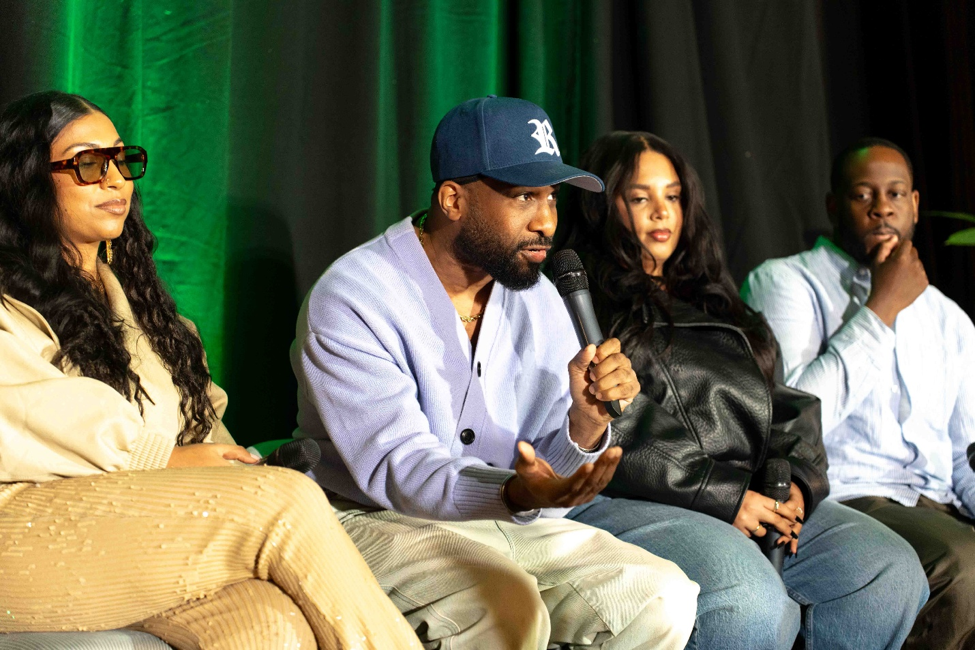
About artists looking for artist managers, Clayton said it’s essential for artists to look for managers who work at their speed. “I think there are a lot of managers that might be insanely organized, but that artist isn’t … yet ready for it, so it becomes a clash. I think there are some managers … they’re more reactive, they’re not proactive, but that artist needs someone that can step in front of them,” said Clayton. “So … it’s not just about having a manager, but having the right manager that works and best suits you.”
Additionally, Clayton said that artists need artist managers who have time for them. He said, “You don’t want to share your time with a manager that, unfortunately, doesn’t see a value in you.” He said he always likes weekly calls with his artists to be personable, to understand what’s going on with them, what they’re working on and what they’re facing.
Clayton said another quality an artist should look for in a good artist manager is how the manager treats the rest of the industry. “So, if you’re walking around, and you’re … cussing off of this person and these people don’t really respect you, well, that’s the person that’s walking through those rooms,” said Clayton. “That’s the person who, when you’re not there, speaks for you. So, you want to make sure … that person is the right representative.”
While Clayton said there are “not-so-good” aspects of the artist management business, he also said there are some great aspects. “Imagine being at the beginning of something and hearing a song for the first time that nobody else has heard, that nobody else knows that exists, and then fast-forward, the whole world is singing that song,” said Clayton. “What a great moment, what a great opportunity, and especially when an artist has something to say, being if they want to talk about being vulnerable, being happy and enjoying a good life, or maybe they’re talking about their faith and where they position that in their lives. Being able to share those things with an artist is one of the greatest gifts on the planet.”